
Contractor guide · Posted workers
Posting workers to France: the foreign employer's obligations on accommodation
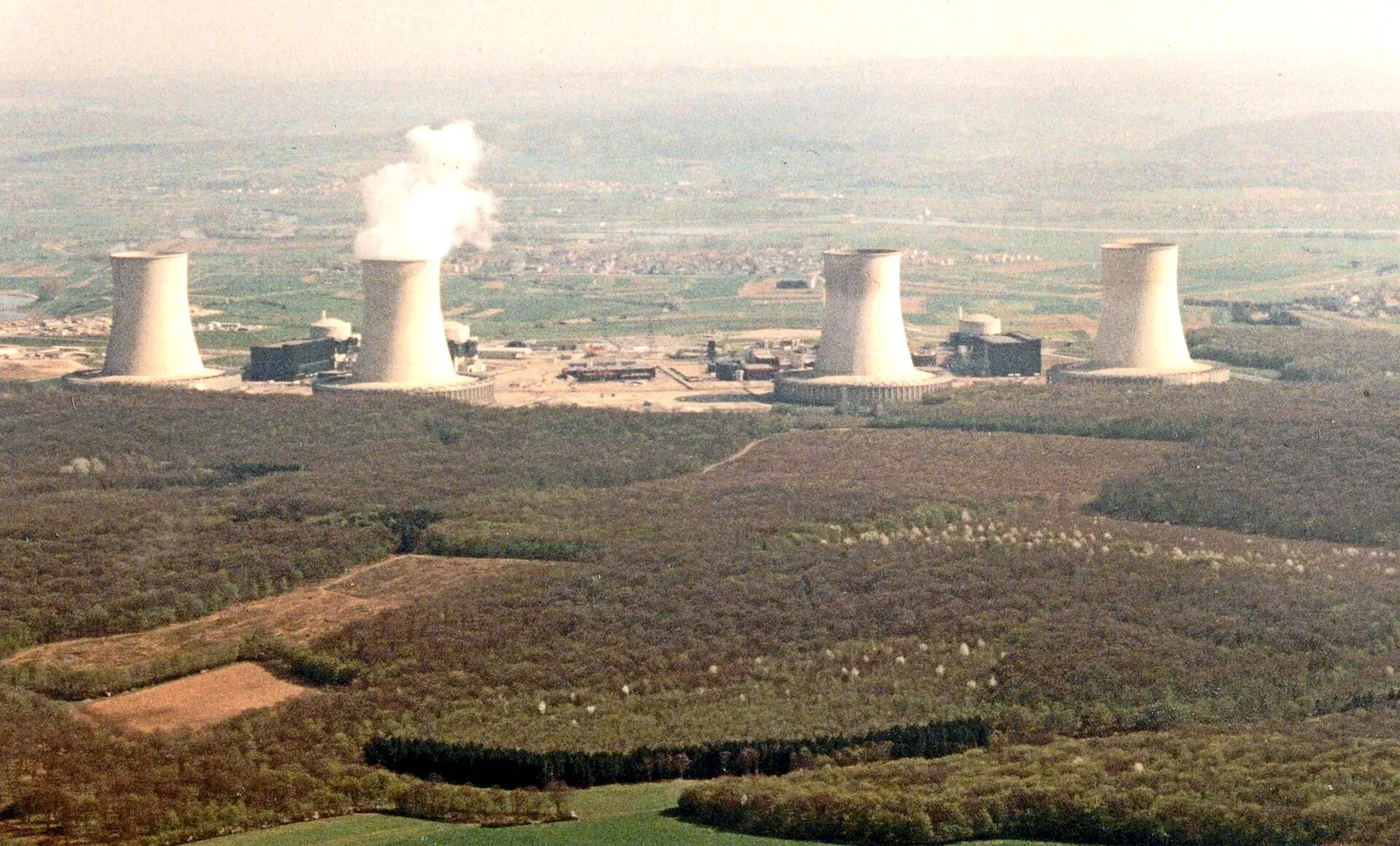
A visit from the labour inspectorate. A letter to your French client. A main contractor wondering whether to keep working with you. It's the fear of every foreign employer posting workers to France, and accommodation is often the weak spot.
You run a company in Poland, the Czech Republic, Romania or Portugal. You've won a contract in France: a construction site, industrial maintenance, a nuclear plant outage. Your crews are ready. Now everything has to be done by the book.
The good news: the rules are clear. Knowing them turns worry into peace of mind, and into a selling point.
This article is general information, not legal advice. For your specific situation, consult a professional in French labour law and the official sources.
Before departure: the formalities of posting workers to France
The SIPSI declaration
Before the service starts, the foreign employer must send a prior posting declaration to the labour inspectorate (articles L1262-2-1 and R1263-12 of the French Labour Code, the Code du travail). It is done online, through SIPSI, the French government's online portal for posting declarations.
- The declaration is made before the posting begins, not on the day, on site.
- The employer gives the acknowledgement of receipt to its French client before work starts.
The procedures change over time: check them on sipsi.travail.gouv.fr before each posting.
A representative in France
The employer must appoint a representative in France, the authorities' point of contact for the whole duration of the posting. Choose someone who can be reached and who knows the file.
The carte BTP
On building and civil engineering sites (BTP in French), the carte d'identification professionnelle BTP, a mandatory construction worker ID card, is required (article L8291-1), including for posted workers.
Accommodation costs: what the law says
This is the most sensitive point for your budget. In France, posted workers are covered by the French rules on reimbursement of business expenses for travel, meals and accommodation (article L1262-4, 11° of the French Labour Code).
Directive (EU) 2018/957 (article 3, point 7) points the same way:
- allowances that reimburse travel, board and lodging expenses do not count as pay;
- the employer must reimburse these expenses.
In plain terms: accommodation is a business expense paid by the company, not a deduction from wages. For the reference amounts used in France, read our article on the 2026 French long-distance travel allowance.
The loi Savary: why your client is concerned
Since the loi Savary (Savary Act) of 2014, liability runs up the subcontracting chain. Under article L4231-1 of the French Labour Code:
- if a labour inspector informs the main contractor that its subcontractor's workers are living in collective accommodation incompatible with human dignity, the client must demand that this be ended;
- if nothing is corrected, the client must provide compliant accommodation itself.
For your client, then, your crews' accommodation is also their risk. A subcontractor who arrives with a clean, decent and documented accommodation solution reassures its main contractor. In a tender, that counts.
Need to house a posted crew near Cattenom or Luxembourg? Send us your dates and headcount through the contact form: we'll suggest how to split your crew across apartments.
Standards for collective accommodation
When the employer provides collective accommodation, the French Labour Code sets minimum rules (articles R4228-26 to R4228-37). Even if you rent ordinary housing, they're an excellent yardstick for judging what you book.
| Criterion | Minimum requirement |
|---|---|
| Location | Not in industrial or commercial premises |
| Floor area and volume | At least 6 m² and 15 m³ per person |
| Heating | At least 18 °C |
| Sleeping | Bedding and furniture for each person |
| Dormitories | Single-sex, 6 people maximum per room |
| Bed spacing | At least 80 cm between beds |
| Bunk beds | Prohibited |
| Washbasins | 1 per 3 people |
| Showers | 1 per 6 people |
| Toilets | Close to the bedrooms |
| Freedom | Workers can lock their door and come and go freely |
The spirit of these rules: one bed per person, space, hygiene, privacy. That's what an inspector looks at, and it's what lets your workers recover.
Quick checklist for the foreign employer
- SIPSI declaration made before the posting, acknowledgement of receipt sent to the client.
- Representative in France appointed and reachable.
- Cartes BTP ordered for each worker (construction sites).
- Travel, meal and accommodation costs covered by the employer, on top of wages.
- Accommodation checked: one bed per person, no bunk beds, enough bathrooms and toilets, heating.
- Accommodation address given to the client and to the workers.
For the practical logistics (rooming list, late arrivals, keys), follow our method to organise accommodation for a travelling crew.
Decent worker accommodation you can show your client
If your crews are working in northern Moselle, near the Cattenom nuclear plant or on the Luxembourg border, matcha home rents out 10 fully equipped apartments with 51 separate beds. Choose the apartment whose number of beds matches your headcount, and everyone sleeps in their own bed. For each apartment, we state the exact number of beds.
- One address: in Hayange, 7 apartments in the same building; in Hettange-Grande, three large apartments for 10, 11 and 12 people, approx. 10 minutes from the plant.
- A real home: fully equipped kitchen, washing machine, wifi, bed linen and towels provided, professional cleaning.
- No waiting around: self check-in at any time, support via WhatsApp, parking a few minutes' walk away.
- Flexible and cheaper when booked direct: about 5% cheaper than Airbnb and Booking whatever the length of stay, cancellation and changes to dates or headcount free up to 5 days before arrival.
More than 500 guest reviews on Airbnb, and guests welcomed since 2020.
For one apartment: book online. For a whole crew: send us a message through the form, and we'll suggest an allocation. See also our guide to housing a crew near Cattenom.
Frequently asked questions
What is the SIPSI declaration?
It's the prior posting declaration that the foreign employer files online with the French labour inspectorate, before the posting begins. The acknowledgement of receipt must be given to the French client before work starts.
Does the foreign employer have to pay for posted workers' accommodation?
Workers posted to France are covered by the French rules on reimbursement of accommodation, meal and travel expenses. Under Directive (EU) 2018/957, these reimbursements are not part of pay: the employer must cover them.
Are bunk beds allowed?
No, not in collective accommodation provided by the employer. The French Labour Code prohibits them and requires at least 80 cm between beds, with 6 people maximum per dormitory.
What does the French client risk if the accommodation is substandard?
Under the loi Savary, if the labour inspectorate informs it of collective accommodation incompatible with human dignity, it must demand that this be ended. If the situation is not corrected, it must provide compliant accommodation itself.
What if the posting date changes?
At matcha home, dates and number of people can be changed free of charge, and cancellation is free, up to 5 days before arrival.
Does this article replace legal advice?
No. It is general information. Always check the legislation in force and get professional support for your specific case.